

I Survived Because I didn't Move
A childhood moment of danger reveals a lasting truth: survival isn’t always about movement—sometimes it’s about stillness. This reflection explores how discernment, not reaction, can preserve life in both crisis and everyday uncertainty.
Ingrid Rose
5/10/20262 min read
Survival is not always movement.
Sometimes… It’s stillness.
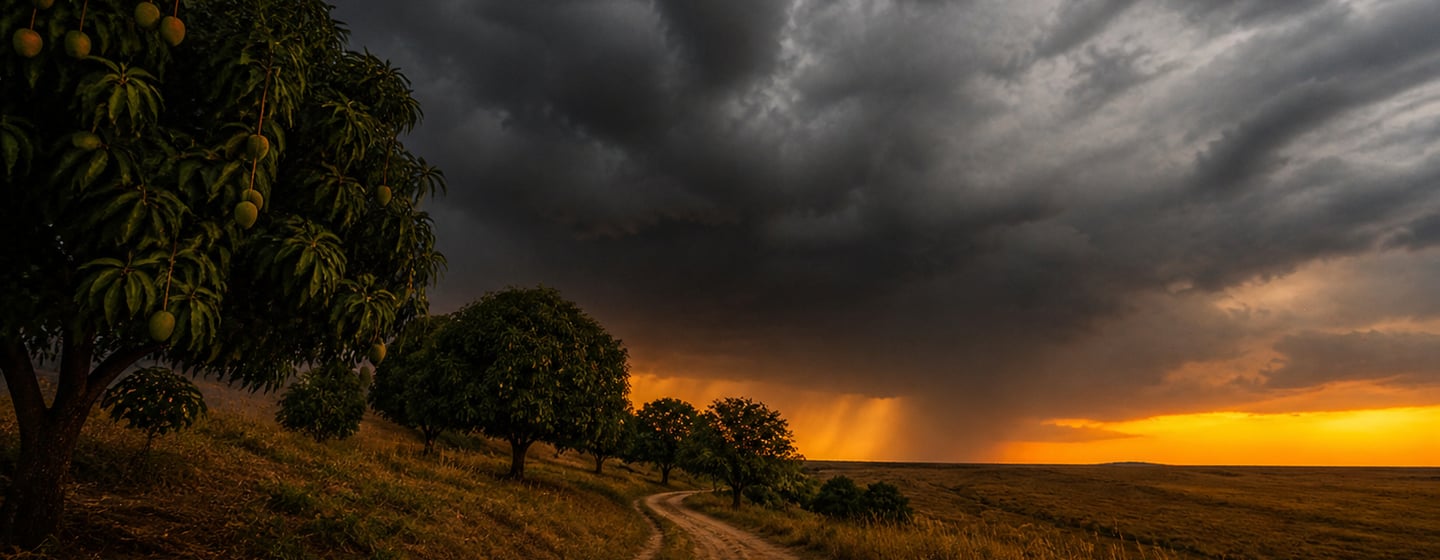
I remember being a little girl of 7 or 8 years old in the Caribbean, collecting mangoes on a hill, above a common road.
I saw him coming down the road—machete in hand.
His mantra was “I want 3 heads”
There were no systems to call.
No one to run to.
Just awareness.
Just instinct.
In that moment, I didn’t run.
I dropped flat to the ground.
Still. Silent. Holding my breath as he passed by.
That moment didn’t just pass—it stayed with me.
Because it taught me something most people don’t learn until much later, if at all:
Movement is not always wisdom.
Sometimes, the safest thing you can do…
is nothing.
Growing up where I did, survival was not theoretical.
We crossed overflowing rivers just to get to school.
We lived alongside people whose struggles were visible, untreated, and unpredictable. Conditions like Schizophrenia and Bipolar Disorder weren’t diagnoses we discussed—they were realities we navigated.
There was no separation between environment and experience.
You learned quickly how to read situations.
How to sense danger.
How to respond without hesitation.
Not every situation calls for action.
Some require stillness.
Some require discernment.
Some require you to resist the urge to move… until it is safe to do so.
Looking back, I understand that what felt like instinct was also an act of preservation.
A kind of wisdom formed in environments where mistakes had consequences.
And that wisdom doesn’t leave you.
It follows you into adulthood.
We live in a world that celebrates movement.
Do something.
Say something.
Fix something.
But not every moment requires your intervention.
Some moments require your awareness.
Survival taught me that stillness is not weakness.
It’s discipline.
It’s control.
It’s understanding that timing matters just as much as action.
Some people survived because they ran.
I survived because I didn’t move.
I didn’t shout.
I didn’t scream.
The most grounded, effective people—across different walks of life—practice stillness daily. Not because they have to, but because they understand something:
Silence sharpens awareness.
Stillness preserves control.
Some people survived because they ran.
I survived because I didn’t move.
Brand
Explore our sleek website template for seamless navigation.
Contact
Join the Axiom Soul Community
Support@axiomsoul.com
© 2024. All rights reserved.